
What is general and laparoscopic surgery?
General surgery treats conditions of the abdomen and its organs, the abdominal wall, the back passage and lumps on the body. Laparoscopic surgery is a way of doing many of these operations through small cuts.
General surgery
General surgeons operate on the digestive organs — the stomach, intestines, appendix and gallbladder — and treat hernias, piles, fissures and fistulas, hydroceles, breast lumps and other lumps on the body.
Laparoscopic (keyhole) surgery
In laparoscopic surgery the surgeon makes a few small cuts, usually between half a centimetre and one centimetre long, instead of one long cut.
- A thin telescope with a camera, the laparoscope, shows the inside of the tummy on a screen.
- The tummy is gently filled with carbon dioxide gas to make room to work.
- Long, thin instruments passed through the other small cuts do the operation.
- At the end the gas is let out and the small cuts are closed.
Keyhole or open?
Compared with open surgery, keyhole surgery usually leaves smaller scars, and for many patients means less pain after the operation, a shorter hospital stay and a quicker return to normal life.
It is not right for every patient or every condition. Sometimes an operation that starts by keyhole is completed as open surgery, because that is safer at that moment. Your surgeon will explain which approach suits you.
What happens on the day
- You are asked not to eat or drink for some hours before the operation.
- Most laparoscopic operations are done under general anaesthesia, so you are asleep throughout.
- After the operation you are encouraged to walk early. The team tells you when to eat, how to look after the small wounds and when to come back for review.
This page is general information and does not replace a consultation.
General & Laparoscopic Surgery at Suhani
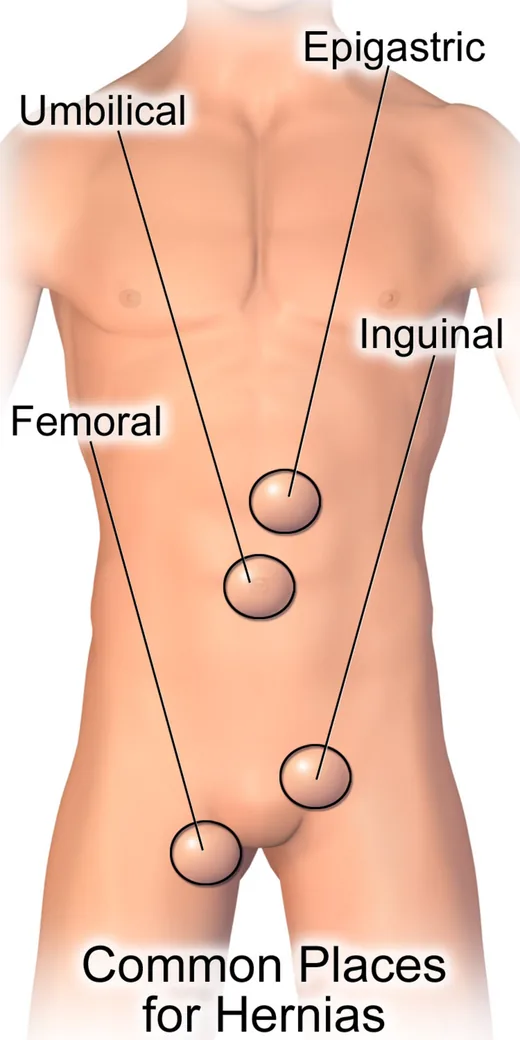 HerniaA bulge in the groin or the tummy wall
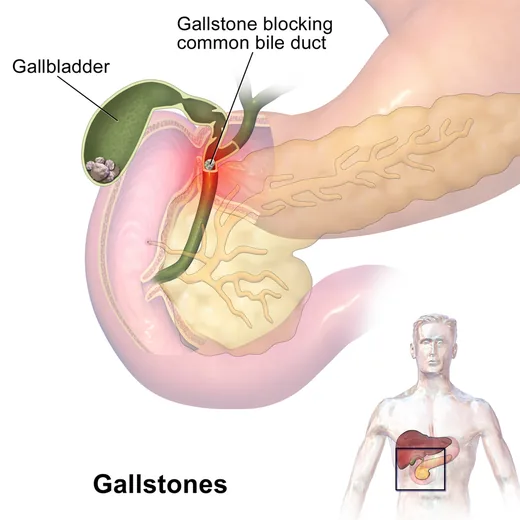 Gallbladder stonesPain in the upper right tummy, often after meals
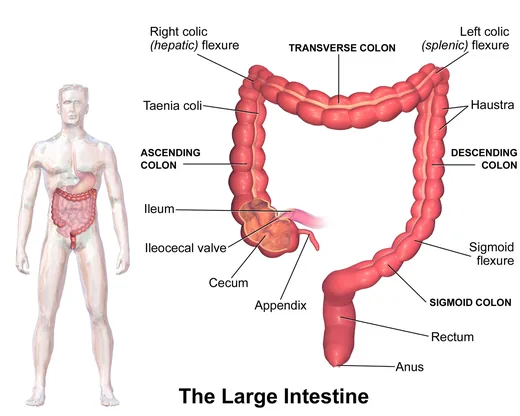 AppendicitisPain that moves to the lower right tummy
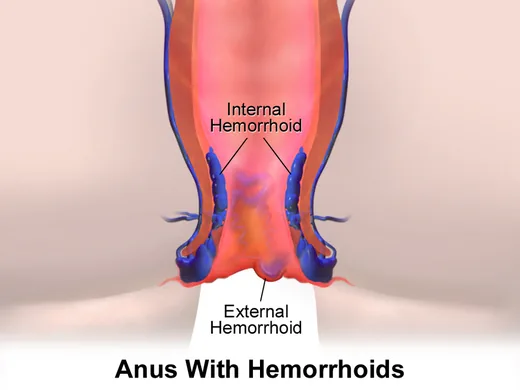 Piles (haemorrhoids)Bleeding or a lump at the back passageAnal fissureSharp pain when passing stoolsAnal fistulaPus or discharge near the anus that keeps coming backHydroceleA painless swelling of the scrotumCircumcisionA tight foreskin or repeated infectionsBreast lumpsA new lump in the breast or armpit
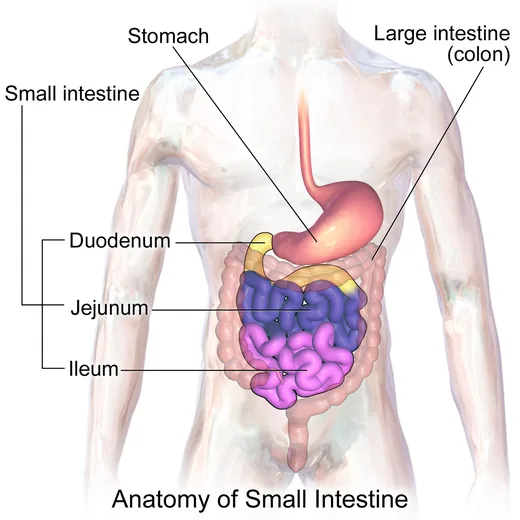 Laparoscopic GI surgeryKeyhole operations on the stomach and intestines
Talk to us before you decide.
Send a message on WhatsApp to book a consultation at either hospital, or call at any time.
Vesu +91 95128 40052 · Pandesara +91 74349 43000